
Air Compressor Buying Guide
 By CasUpdated Jan 202630 pages in this section
Buying a compressor is three decisions at once: what type, what size, and who's going to service it. Plus one thing nobody tells you about: the lifetime cost. Vendors will happily pick all of it for you, in their favor. This is the independent way through.
The three decisions
- What type of compressor?
Rotary screw, reciprocating piston, scroll, centrifugal, portable diesel — or oil-free for any of the above. Each one does a different job, each one is terrible at the wrong job. The most expensive mistake I see in plants is the wrong type of compressor, not the wrong brand.
- What size compressor?
Compressors are rated two ways — pressure (psi / bar) and capacity (CFM / m³/hr). They're different things, and mixing them up is the most common buying mistake there is. Then there's the demand profile — constant, peaky, day-only. Most plants buy way too big «just to be safe» and waste money for 20 years. Right-size, plus a bigger receiver, beats oversize every time.
- Who will service it?
The spec nobody puts on the datasheet. The same brand can be the best machine in your plant in one city and the worst in another, with the only variable being which local distributor is supporting it. Get this one wrong and the type and size stop mattering.
And one more thing — the price tag isn't the price. The purchase price is roughly 10% of what a compressor will cost you over its life. The other 90% is electricity, leaks, maintenance, and downtime. A "cheap" compressor that wastes 20% energy every year is the most expensive choice you can make. Get the type right, get the size right, get the service relationship right, and then read energy & running cost so the lifetime cost doesn't bite you.
The full buying guides
Once you've worked through the decisions above, this is where the actual purchasing happens. Two guides — one for rotary screw, one for piston (reciprocating). Pick the type you're after and dig in.
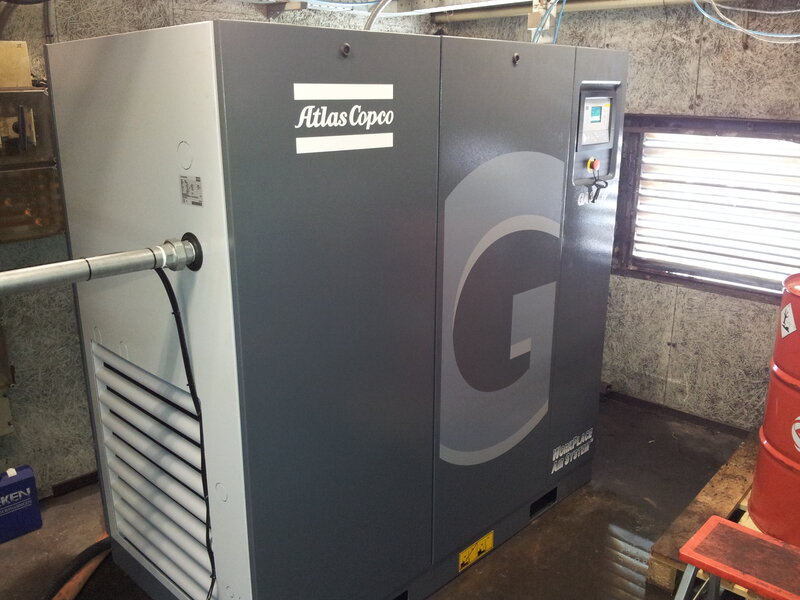 Rotary screw compressor buying guide
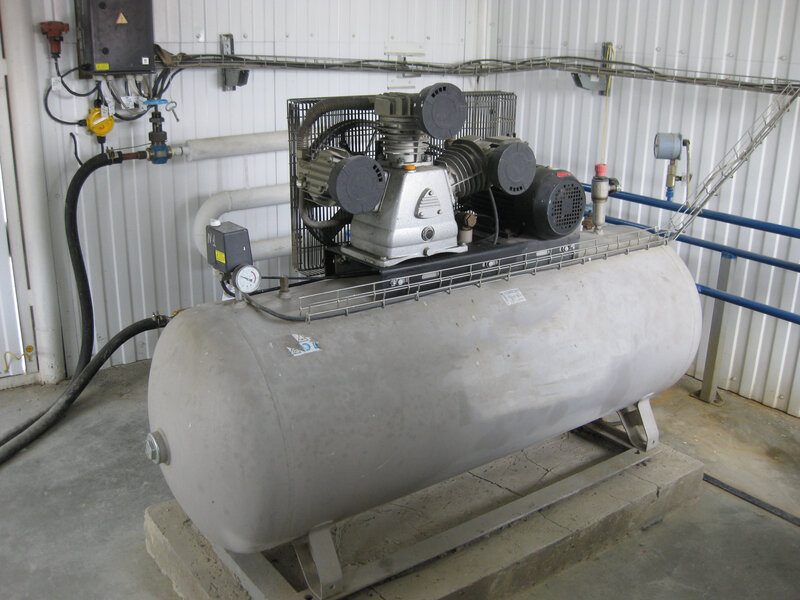 Piston (reciprocating) compressor buying guide
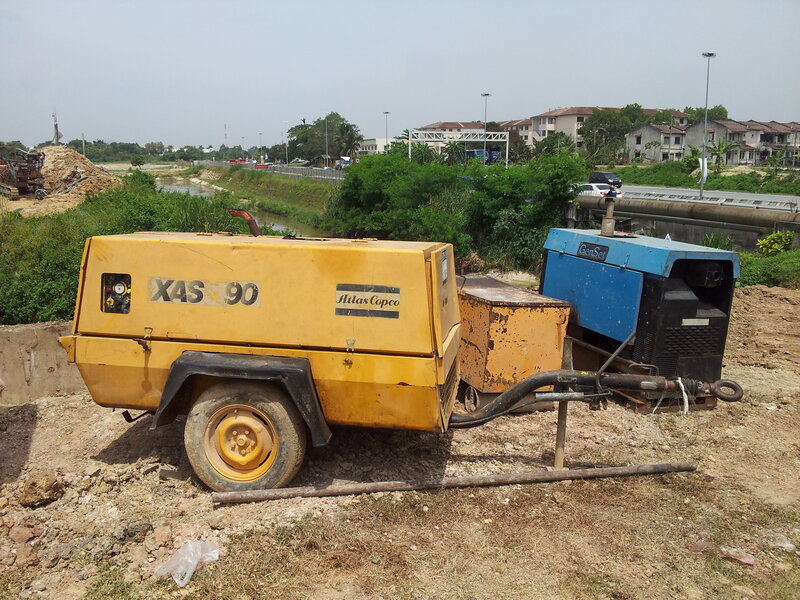 Portable diesel compressors
Inside the rotary screw guide
- Sizing & Duty Profile
- VSD vs Fixed Speed
- Oil-Injected vs Oil-Free vs Water-Injected
- Options & Extras
- Build Quality & Durability
- Installation & Environment
- Energy & Running Cost
- Service, Warranty & Downtime
Inside the piston guide
Or pick your scenario
Most people landing here are in one of a handful of common situations. Pick the one that fits — each walks through your specific decisions and routes you to the right type guide.
- Buying Your First Proper Compressor
- Replacing an Old Compressor
- Upgrading from a Piston to a Rotary Screw Compressor
- Adding Capacity to an Existing Compressed Air System
Or pick by application
Sometimes the easiest way in is to start from what you're actually doing with the air. Pick the application that matches your tools or equipment.
- Compressor for Sandblasting
- Compressor for Spray Painting
- Compressor for CNC Machining
- Compressor for Injection Molding
- Compressor for a Packaging Line
- All applications →More application-specific guides will be added over time.
Brands, series & models
The full searchable database of brands, series, and models is coming — with annual energy use, total operating cost, and lifetime cost for each individual model. Until that's ready:
- Brands & models databaseWhat's there so far
- Air compressor manufacturersWho owns whom and where they're actually made
- Rotary screw compressor brands & seriesThe series and model ranges from the major manufacturers
Got a specific buying question? "Should I buy A or B?" "Is X HP enough for my plant?" "Is brand Y any good?" — send it to me directly. I read everything that comes in, and for sizing and brand-comparison questions you'll usually get a straight answer back the same week.