
General Compressed Air Problems
 By CasUpdated May 202622 pages in this section
Problems that can happen on any compressed air system — regardless of compressor type. Pressure issues, oil and water carry-over, leaks, and energy waste. Same diagnostic path no matter what's making the air.
Some compressed air problems aren't tied to a specific compressor type. Pressure drops, water in air lines, oil carry-over, and high energy use can happen on rotary screw, reciprocating, or diesel-driven systems alike. The diagnostic path is the same regardless of the compressor.
Pick the symptom
 High Energy Use
 Low Pressure / Can't Reach Setpoint
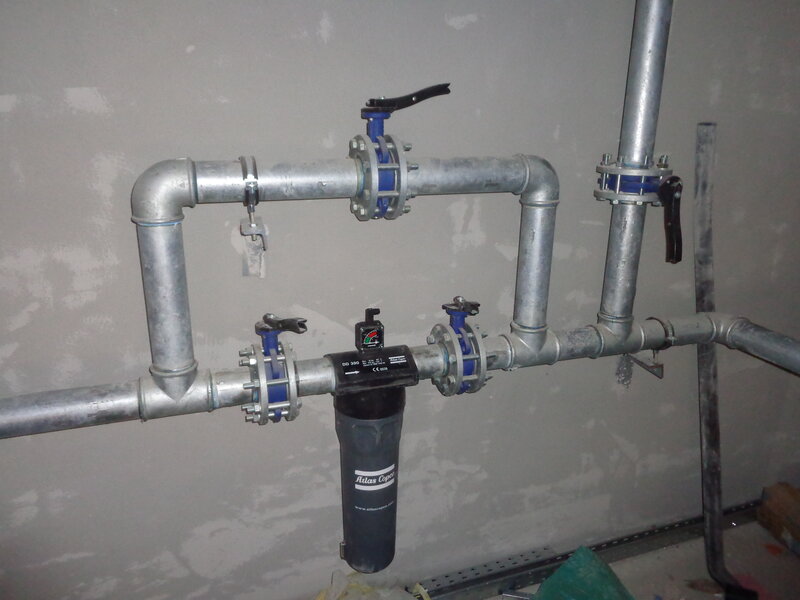 Pressure Drop
 Oil in Compressed Air
 Water in Compressed Air
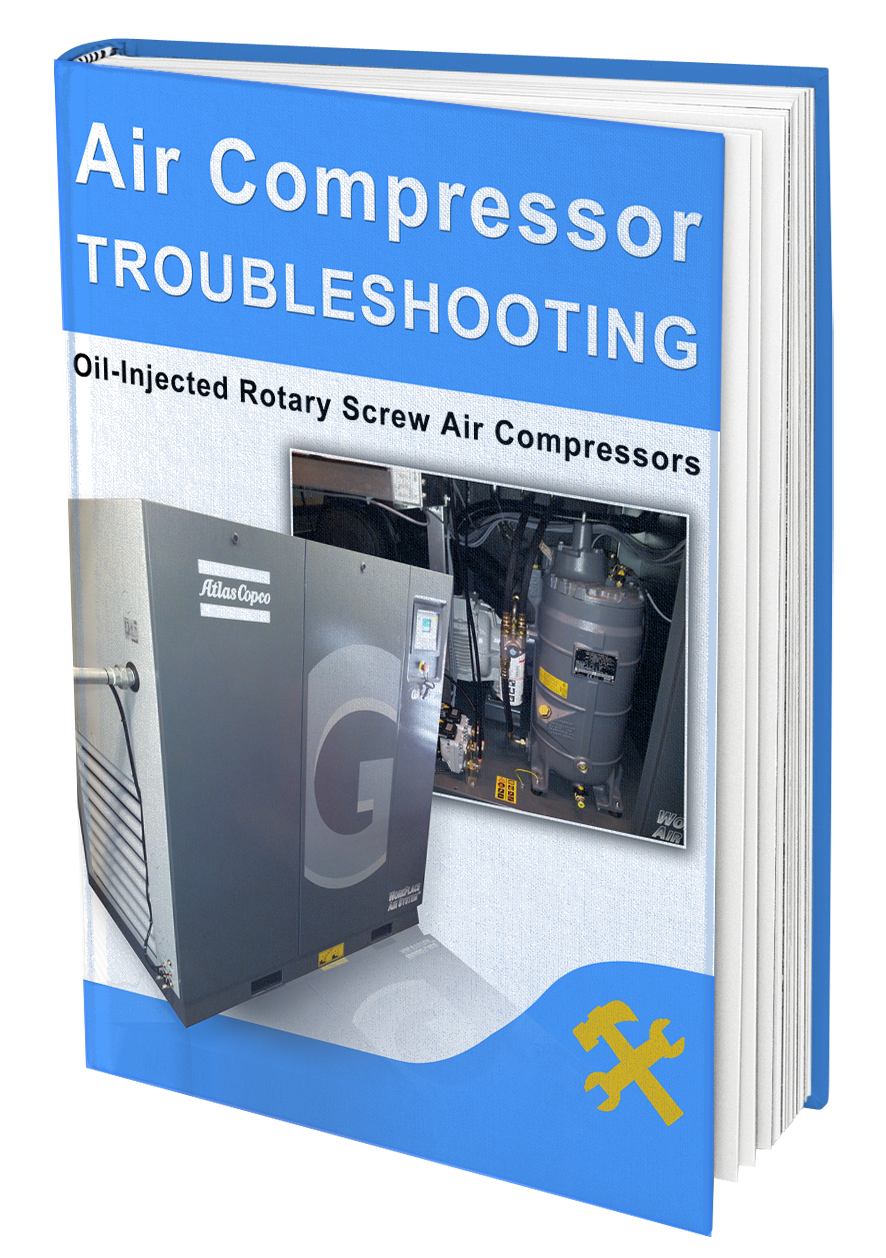
Got a rotary screw compressor and want to fix problems quickly? Get my Air Compressor Troubleshooting Guide — the complete reference for diagnosing and fixing rotary screw compressor problems.
Why system-level problems happen
Most cross-compressor issues come from a small set of system causes. The compressor itself is often fine — the problem is in the distribution, the contamination path, or how the system is controlled and maintained.
- Distribution & flow imbalanceUndersized piping, sharp bends, narrow fittings, and bad layout cause pressure drop and inconsistent supply at the tools. The compressor isn't always at fault — sometimes the distribution is.
- Contamination pathsWater from condensation, oil from any lubricated compressor, and particulates from inlet air drift downstream and damage tools, processes, and product quality. Filters and dryers help — but only when sized and maintained.
- Leaks & control inefficiencyA typical industrial system loses 20–30% of its compressed air to leaks. Combined with poor control strategy (a big unit always running on load), this is where most of the energy gets wasted.
- Maintenance & monitoring gapsNo filter DP gauges, no condensate drain checks, no leak surveys, no pressure logging. Without basic instrumentation, system problems develop slowly — until something fails or the energy bill gets noticed.
Before you open the cabinet
- Air compressor safetyStored pressure, mains voltage, hot oil. Read this once.
- Compressed air systems and componentsKnowledge base
- Questions & answersHundreds of real problems, answered
- Ask your questionI answer in the open, so everybody learns from it